
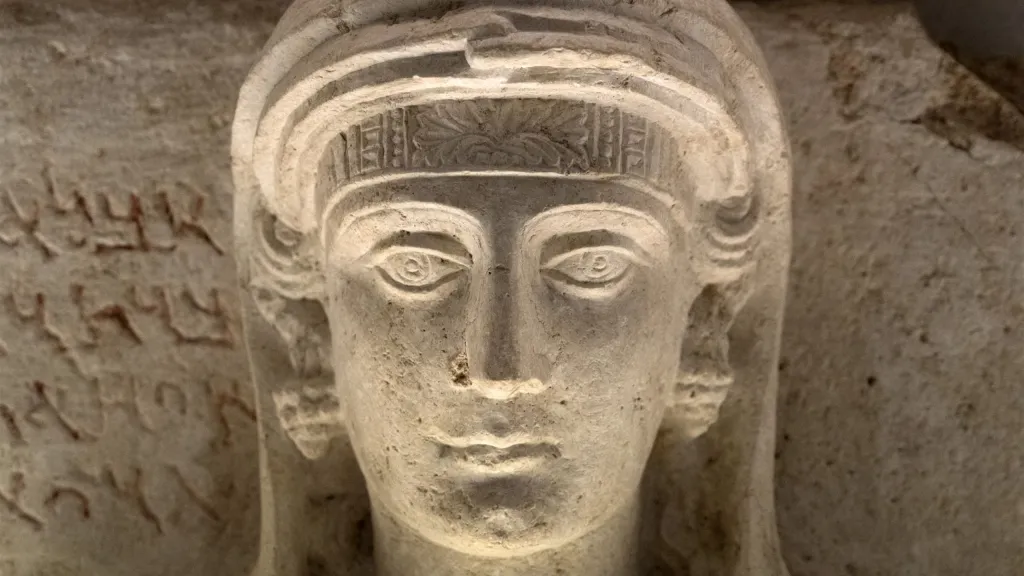
The Fayum Portraits in Rome: a two-day cultural itinerary through the Ara Pacis, the Capitoline and ancient art
Want to see the Fayum portraits in Rome and plan a cultural weekend without rushing from one museum to the next? The exhibition The Power of Portraiture. Egypt and Rome. The Fayum Portraits is at the Ara Pacis Museum until 2 May 2027. It brings together almost fifty portraits from international collections and more than 110 works, including painted panels, shrouds, funerary masks, sculpture and jewellery.
Spend your first day at the exhibition and around the Campus Martius. On day two, compare the painted faces with Roman portraits at the Capitoline Museums, then add either the Barracco Museum or Centrale Montemartini if the opening days and your schedule allow. This guide covers a practical two-day route, essential ticket and opening information, and how to choose accommodation for the trip.
Planning a cultural weekend in Rome? Check Hotel Domidea availability and rates for your dates.
The Fayum Portraits exhibition: what to know before you go
The exhibition is titled The Power of Portraiture. Egypt and Rome. The Fayum Portraits and is held in the Ara Pacis Museum’s exhibition space, entered at Via di Ripetta 180. It runs from 5 November 2026 to 2 May 2027. Admission to the exhibition alone is listed at €17 full price or €15 reduced; an exhibition-only ticket does not include entry to the Ara Pacis Museum. If you want to see the monument as well, check the combined ticket and current terms on the official exhibition page.
The exhibition is open daily from 9:30 a.m. to 7:30 p.m., with last entry one hour before closing. Special hours apply on 24 and 31 December; the exhibition is closed on 25 December and 1 May. Always check the official page for the date of your visit. Advance booking may include a supplement, and family tickets and concessions have specific booking rules.
The exhibition brings together almost fifty Fayum portraits and more than 110 works overall. The collection includes loans from Egypt, the Louvre and other international collections, including the celebrated Tondo of the Two Brothers, the so-called Isidora and the portrait of Eirene. Painted panels, shrouds, masks, funerary casts, sculpture and jewellery tell the story of Egyptian traditions meeting Greek culture and Roman models in Roman Egypt.
What are the Fayum portraits?
The term “Fayum portraits” mainly refers to painted images on thin wooden panels placed over the wrappings of mummies to identify the deceased. The known production dates largely from the first to the third century AD and uses techniques such as encaustic and tempera. Their appeal lies in their individuality: hairstyles, jewellery, expressions and features make these ancient faces feel like portraits of specific people rather than anonymous figures.
The name refers to Egypt’s Fayum region, but the exhibition also looks at funerary objects and contexts from other areas. It offers a chance to explore how Egyptian practice, Greek influence and Roman culture came together in Roman Egypt.
A two-day cultural itinerary in Rome
Day 1 – The Fayum portraits and the Campus Martius
Morning: visit the Ara Pacis exhibition
Spend the first part of the day at the exhibition, when it is easier to focus on the faces and the details in the displays. Allow at least 90 minutes for a self-guided visit, and longer if you want to read all the interpretation or join a guided tour. This is a planning estimate, not an official visit duration: the time you need depends on your pace and how busy the galleries are.
Do more than photograph the portraits. Notice how expressions and hairstyles differ, compare the painting techniques with the funerary materials, and look for links to Roman sculpture and everyday objects. The labels help place the works in context: these portraits accompanied real people and family memories.
If you would like a guided visit, the museum lists tours for individual visitors on selected dates, generally at 4:30 p.m. at weekends. Dates and availability can change, so check the official events page. Groups and schools have separate booking arrangements.
Lunch: take a break nearby
The museum is on the Lungotevere in Augusta, within walking distance of Piazza del Popolo, Via del Corso and Piazza di Spagna. Choose a lunch stop based on how long you spend in the exhibition and what you plan to do next. Eating around the Tridente area lets you continue on foot without travelling back to the hotel. Book ahead if you are visiting in a group or on a busy date.
Afternoon: the Ara Pacis, a walk and the historic centre
If you also want to visit the Ara Pacis Augustae, check the combined ticket: the exhibition-only ticket does not include the museum or monument. The altar celebrates Augustan peace and offers a counterpoint to the exhibition: one is a public monument linked to Rome’s power and memory; the other preserves the identity of individuals through funerary portraits.
Continue with an unhurried walk. Piazza del Popolo, Via del Corso and Piazza di Spagna make a natural urban route, with time to notice the façades, churches and public spaces along the way. If you would like to visit the Mausoleum of Augustus, check its current opening and admission arrangements in advance rather than assuming it will be open for entry.
Later in the afternoon, head towards the Pantheon or Piazza Navona, keeping in mind that monuments have their own access rules, opening times and possible ticket requirements. A good day leaves time for the connections and dinner instead of packing in too many stops.
Day 2 – From Roman portraiture to the city’s collections
Morning: the Capitoline Museums
Spend the morning at the Capitoline Museums on Piazza del Campidoglio. The galleries let you compare Roman marble portraiture with the painted faces you saw the day before. Look for busts, imperial images and works that show how a portrait could express identity, public role and memory.
The Capitoline Museums publish daily opening hours through the city’s museum network; last entry and holiday closures can vary. Before your visit, check the official page for hours, notices and tickets. If you also plan to visit the Roman Forum or another archaeological site, arrange those tickets separately and allow for travel time.
Lunch and an afternoon choice
To keep the itinerary focused, choose one of these options:
- Barracco Museum, for ancient sculpture and a further look at the cultures of the Mediterranean. It is normally open Tuesday to Sunday, 10 a.m. to 6 p.m., and closed on Mondays. Check official hours and notices. The Fayum exhibition includes a Ptolemaic funerary mask from the Barracco collection; do not assume that the object will also be on view at its home museum during the exhibition.
- Centrale Montemartini, at Via Ostiense 106, if you would like to compare classical sculpture with an industrial archaeology setting. It is part of the Capitoline Museums network and offers a different context for exploring Rome’s collections. It is normally open Tuesday to Sunday, 9 a.m. to 7 p.m., and closed on Mondays. Check current information on the official page.
Avoid trying to fit both museums in after the Capitoline Museums in a single afternoon. Choose based on your interests and actual opening times. Barracco works well with a day in the historic centre; Centrale Montemartini requires a journey towards Ostiense.
End the day with a walk or one final stop
If you chose Barracco, finish with Campo de’ Fiori, Piazza Navona or the Pantheon, depending on the stops you have already made. If you went to Centrale Montemartini, consider a walk in the Ostiense area or head back by public transport rather than adding another timed visit.
A weekend guide to themes and collections
| Stop | What to look for | Link to the exhibition |
|---|---|---|
| Ara Pacis – Fayum exhibition | Painted portraits, shrouds, masks and funerary context | Egyptian, Greek and Roman traditions meeting |
| Ara Pacis Augustae | Reliefs and Augustan monumental art | Public memory and Rome’s self-image |
| Capitoline Museums | Roman portraiture and sculpture | Painted faces alongside sculpted portraits |
| Barracco Museum | Ancient sculpture and Mediterranean collections | Material culture and the funerary mask shown in the exhibition |
| Centrale Montemartini | Classical sculpture in a former power station | A different setting for Rome’s visual history |
Tickets, opening hours and bookings: common mistakes to avoid
Do not confuse the exhibition with the Ara Pacis Museum
The exhibition-only ticket grants access to the exhibition space at Via di Ripetta 180; it does not include the Ara Pacis Museum. If you want to visit both, choose or check a combined ticket.
Check concessions and the family ticket
The exhibition lists full price, reduced and special family tickets. Booking arrangements differ by ticket type. Check eligibility, required proof and any advance-booking fee before purchasing. Online and call-centre tickets may have specific refund and change conditions.
Book a guided tour for an available date
Individual guided tours have scheduled dates and limited places. Book through the official channel and plan the rest of your day around the confirmed time. Groups have to book and may be subject to additional requirements, such as using radio headsets.
Where to stay for a cultural weekend in Rome
The best hotel depends on where you plan to spend your days, how you arrive and how much travelling you want to do. A central base can reduce travel time to the Campus Martius and the historic centre. A hotel outside the centre may suit drivers, guests comparing the overall cost or travellers who prefer hotel services and a quieter base.
Hotel Domidea is in eastern Rome at Via Raffaele Costi 17/21. It is not within walking distance of the Ara Pacis, so plan your transport into the historic centre. The hotel advertises a courtesy bus to Repubblica (Metro Line A) and Rebibbia (Metro Line B), by reservation and subject to availability. Times and terms may depend on your stay: contact the hotel before booking to see whether the shuttle fits your weekend itinerary.
Also consider breakfast, the restaurant, parking and your return time. Compare more than the nightly room rate: include transport, tickets, parking and door-to-door travel time.
For room and transport information, email info@hoteldomidea.com with your dates, party size and planned visits.
Choose a room for your itinerary: check availability and book online.
Frequently asked questions about the Fayum Portraits in Rome
Where is the Fayum Portraits exhibition?
It is in the Ara Pacis Museum’s exhibition space at Via di Ripetta 180 in Rome.
How long is the exhibition open?
It is scheduled from 5 November 2026 to 2 May 2027. Check the official page for updates, closures or changes to opening hours.
How much are tickets?
Admission to the exhibition only is listed at €17 full price and €15 reduced. Family options and combined tickets with the Ara Pacis Museum are also available. Check booking fees, eligibility and availability on the official site before buying.
Does the exhibition ticket include the Ara Pacis?
No. An exhibition-only ticket does not include entry to the Ara Pacis Museum. Check the combined ticket if you want to see the monument as well.
How much time should I allow for the exhibition?
As a planning estimate, allow at least 90 minutes for a self-guided visit. The actual time depends on your interests, crowd levels and how much of the interpretation you read. Guided tours have a stated maximum duration of 75 minutes.
Can I visit the exhibition and other museums in a two-day weekend?
Yes, if you spread out the visits. Spend part of day one at the exhibition and around the Campus Martius; on day two, visit the Capitoline Museums and choose one additional museum, either Barracco or Centrale Montemartini.
Is Hotel Domidea near the Ara Pacis?
Hotel Domidea is in eastern Rome, not a short walk from the museum. The hotel offers a shuttle to metro stations by reservation and subject to availability; confirm the schedule and terms directly and plan your route for each day.
In short: two days of portraiture, memory and ancient Rome
The Fayum Portraits exhibition gives art lovers a special reason to visit Rome between 5 November 2026 and 2 May 2027. Build day one around the Ara Pacis exhibition and the Campus Martius; spend day two with Roman portraits at the Capitoline Museums and choose one further stop, either the Barracco Museum or Centrale Montemartini.
Check which ticket you need, since exhibition-only admission does not include the Ara Pacis; confirm museum hours and plan your hotel transfers. A few well-connected stops leave more time to look closely at the faces that make this more than an ordinary weekend in Rome.