
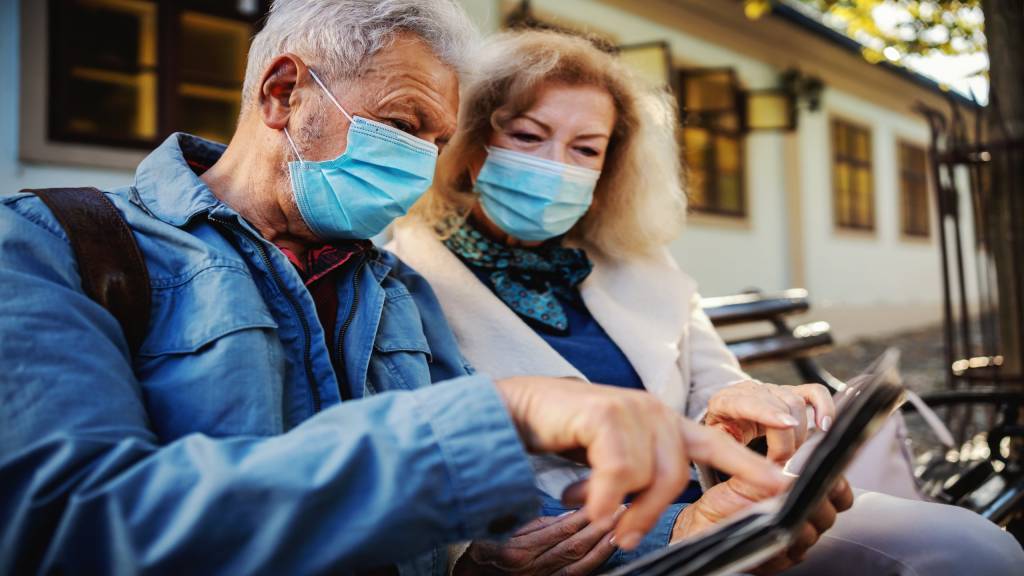
Accompanying an Older Adult to Rome for Medical Treatment
Families, from Travel to the Hotel
Taking a parent or older relative to Rome for an appointment, treatment or
hospital admission requires different planning from an ordinary journey.
Tickets and a hospital address are not enough. Medication, documents,
mobility, fatigue, meals, toilets, waiting, luggage and schedule changes all
matter.
Rome is a large city. A route that looks simple may involve stairs,
connections, corridors and substantial walking. For an older adult—even an
independent one—these details can shape the entire day.
This guide helps families plan a realistic medical trip, from home
preparation to accommodation and return. It provides logistical information
and does not replace medical advice.
whole stay should not be assumed: check dates and rates now and book Hotel
Domidea
online.
First question: can the older adult travel?
Before buying tickets or booking accommodation, speak to the clinician who
knows the patient. Ask whether they can travel by car, train or air; manage
stairs or walking; should avoid heat or crowds; need a wheelchair; can stay
in ordinary accommodation; require continuous companionship; need
post-treatment precautions; or require specialist medical transport.
An ordinary taxi or hotel transfer is not an ambulance, equipped vehicle or
authorised medical transport.
Create an essential trip summary
Keep one paper and digital page containing patient identity, date of birth,
tax code where relevant, family contact, doctor, hospital, department,
address, entrance, appointment, allergies, medication, mobility aids,
emergency contact, itinerary, hotel, tickets and reservations.
Do not keep the only copy on the patient’s phone. The companion should have
one.
Medical documents to carry
Italian Ministry of Health guidance recommends that travellers with chronic
conditions carry a health card, exemption card where applicable,
identification, medical summary, recent discharge letter where relevant,
allergy and intolerance list, written treatment plan, medication list with
active ingredient and dose, necessary prescriptions and documents requested
by the facility.
Add appointment confirmation, referral, requested previous tests and
department contacts. Check names and dates.
Managing medication while travelling
Do not change treatment
Never stop, advance or delay medication without clinical advice. If fasting
or a temporary change applies, request written instructions.
Carry enough
Pack medication for the planned trip plus a small contingency supply for
delays or extensions, as advised by the doctor. Carry prescriptions and the
treatment list.
Keep original packaging
Boxes and blister packs protect from light and moisture and show active
ingredient, dose and expiry. A pill organiser can help during the day but
should not be the only identification.
Respect storage temperature
Read the leaflet. Temperature-sensitive medicines require appropriate
containers. Car boots can become very hot; Ministry guidance recommends
keeping medicines in the passenger compartment and using suitable bags when
required.
Keep essential medicine nearby
Do not place vital medication in checked luggage or away from the patient.
Ask the doctor, pharmacist and carrier about medicines subject to special
rules.
Confirm the hospital, not only its name
Rome has multi-site healthcare groups and large hospitals with towers,
buildings and different entrances. Record the full name, exact site,
building, floor, patient entrance, registration point, suggested parking,
accessible stop and walking distance.
Ask whether the patient can be dropped near the entrance and where the
companion may park. Use designated areas only.
Choosing transport
Car
Convenient for luggage and aids, but the companion must manage traffic,
parking and the return drive.
Check route, restricted zones, hospital parking, accessible spaces,
drop-off, rest stops, second driver and whether the patient may be unable to
drive after treatment.
In hot weather, avoid peak heat where possible, carry water as medically
appropriate, cool the car gradually and never leave an older adult in a
parked vehicle.
Train
Book assistance with the rail company where required. Check departure and
arrival stations, lifts, changes and taxi access. Choose accessible seats
and allow ample boarding time.
A flexible ticket can help when an appointment end time is uncertain.
Air
Ask the doctor whether flying is appropriate and request reduced-mobility
assistance from the airline. Arrive early, keep essential medicines in cabin
baggage and do not schedule a close return flight.
Taxi
Reduces walking, but confirm that the passenger can enter the vehicle and
any aid will fit. A non-folding wheelchair may require a specific vehicle.
Medical transport
If a stretcher, oxygen, assistance or monitoring is required, an ordinary
taxi is unsuitable. Ask healthcare staff about authorised services.
Metro and bus travel in Rome
ATAC publishes station accessibility and real-time lift and stairlift
status. Infrastructure on a map does not guarantee operation on the day.
Before travelling, search the station, check live status, identify
accessible entrances, consider bookable assistance, build an alternative
route, avoid tight connections and account for crowds and walking.
ATAC states that some Line A stations do not have lifts or stairlifts
connecting platforms. Conditions change, so check on the day.
When to arrive the previous evening
Consider a night before when admission is early, travel takes several hours,
fatigue comes easily, there are multiple changes, the route is unfamiliar,
fasting applies, one delay would miss the appointment or weather is adverse.
An unhurried arrival allows the patient to rest and the companion to check
the route.
When to stay after the appointment
Consider a night after when discharge is late or uncertain, treatment is
tiring, the doctor advises against immediate travel, the companion is
exhausted, the return takes several hours, a next-day review is scheduled or
the last connection is at risk.
The treating team makes clinical decisions. A hotel does not replace
observation, nursing support or protected recuperation.
Choosing a hotel for an older adult
Ask specific questions about entrance steps, lifts, room distance, door
width, shower or bath, grab rails, bed height, mobility-aid space, parking
distance, drop-off, dining, 24-hour reception and taxi booking.
Rooms differ. Obtain confirmation before booking, not at check-in.
One room, separate rooms or a suite?
A twin or double room keeps the companion close; confirm beds and night-time
movement space.
Separate rooms improve rest but may be unsuitable when assistance is
required.
A family room or suite can provide separate areas. Hotel Domidea offers
categories including Executive Family, Junior Suite and Suites, subject to
date-specific configurations and availability.
Meals and hydration
Clarify fasting, fluids, meal timing with medication, prescribed diet and
foods to avoid with the clinician.
Ask the hotel about breakfast and dining times. Do not assume a buffet
automatically meets a therapeutic diet.
Hotel Domidea provides an international buffet breakfast, bar and dining
options depending on operations. Communicate dietary requests in advance and
wait for confirmation.
Practical luggage
The medical bag should contain documents, treatment plan, medication,
prescriptions, allergy list, reports, clinical contacts and prescribed
equipment.
The personal bag should contain comfortable clothes, a change, stable
footwear, glasses, hearing aids, batteries, chargers, mobility aids,
toiletries and a warm layer.
The companion should carry phone, power bank, reservations, permitted water
and snacks, payment, personal medication, notes and family contacts.
Label aids and do not leave documents or medicines in the car.
Appointment day: divide responsibilities
With two relatives, one can stay with the patient while the other parks or
manages luggage; one keeps documents and one records instructions.
If one companion travels alone, reduce luggage and organise papers into
accessible folders.
Communicating with healthcare staff
Involve the older adult in decisions wherever possible. A companion may help
remember information but should not speak over the patient without need or
authorisation.
Prepare short questions about today’s plan, medication, warning signs,
follow-up, fitness to travel, staying alone and home support. Request
written instructions where possible.
After discharge or the appointment
Before leaving, confirm discharge letter or report, updated treatment,
prescriptions, appointments, restrictions, contact number, travel advice and
companion requirements.
Do not alter treatment because travel is inconvenient. Contact healthcare
services if a problem arises.
Hotel stay after discharge: limits
A hotel can provide a room, reception and logistical support. It cannot
administer medicines, monitor observations, dress wounds, provide clinical
personal care, supervise the patient, make medical decisions or guarantee a
clinical diet without agreement.
Arrange authorised nursing, home care or medical transport before discharge
when required.
Hotel Domidea as an East Rome base
Hotel Domidea is at Via Raffaele Costi 17/21, close to the A24 and Exit 14
of the GRA. Drivers reaching healthcare facilities in East Rome can avoid
the historic centre and its restricted-traffic areas.
Useful services include:
multilingual 24-hour reception;
85 modern, spacious rooms;
several room categories;
complimentary Wi-Fi;
international buffet breakfast;
bar and dining depending on operations;
private unguarded outdoor parking, subject to availability;
an unguarded covered garage, bookable for a fee and subject to capacity;
luggage storage;
taxi booking;
airport-transfer booking;
a courtesy shuttle to selected metro stations, by reservation, at set
times and subject to availability.
The courtesy shuttle is not medical transport or a direct service to every
hospital. Confirm stops, accessibility and terms.
Questions about hotel parking
Ask whether parking can be reserved, is close to the entrance, has a
step-free route, has height restrictions, allows passenger drop-off, is
guarded, how much it costs and whether it is available for every night.
Hotel Domidea describes its outdoor parking and garage as unguarded; confirm
availability and conditions.
Build a backup plan
Prepare for an over-running appointment, unexpected admission, missed train,
lift failure, tired companion, insufficient medication, flat phone, damaged
wheelchair, hotel extension and delayed return.
Carry a small contingency medication supply as advised, amendable tickets,
contacts and chargers. Request an extension promptly; it is not guaranteed.
Heat, cold and waiting
Older adults are more vulnerable to extreme temperatures. In summer, avoid
peak heat where possible, check air conditioning, never leave the person in
a vehicle, transport medication correctly, carry medically appropriate water
and schedule breaks.
In winter, consider outdoor waiting, layers and slippery surfaces. Fluid
advice must follow medical restrictions.
One night, one week or longer
For one night, prioritise access, check-in, taxis, rest and luggage storage.
For one week, assess meals, housekeeping, parking, the companion’s work and
extension options.
For several weeks, compare hotels, apartments and serviced residences by
total cost. If supervision is needed, accommodation must fit the care plan.
Rome visitor tax and medical exemptions
Roma Capitale provides exemptions under defined conditions and with a
declaration for people requiring treatment and companions of admitted
patients.
It is not automatic or a room discount. Ask the property for current forms
and check official rules before arrival.
How to contact the hotel
Email info@hoteldomidea.com with dates,
guests, room, mobility aids for practical purposes, car, parking, late
arrival, meals, possible extension and billing.
Do not send diagnoses or reports. Request written confirmation of essential
room features.
Final family checklist
Before booking: medical travel approval, site, entrance, companion,
transport, accessible hotel, suitable room, parking and flexible terms.
Before departure: documents, health card, treatment plan, medication and
contingency supply, allergies, reports, aids, tickets, reservations and
backup plan.
During the stay: follow treatment, avoid unnecessary fatigue, check live
accessibility, protect documents, record instructions and seek clinical help
from appropriate professionals.
Before returning: confirm fitness to travel, updated treatment, transport
accessibility, a rested driver and any required home support.
Mistakes to avoid
Planning without medical advice.
Relying on map distance alone.
Failing to check lifts and accessibility.
Leaving medicine in a hot boot.
Carrying unidentified medication.
Booking the last available train.
Confusing a taxi with medical transport.
Assuming an accessible room.
Asking the hotel for nursing care.
Allowing the companion no rest.
Frequently asked questions
What documents should an older adult take to Rome for treatment?
Identification, health card, exemption card where relevant, referral,
confirmation, medical summary, treatment plan, medication list, allergies
and requested reports.
How should medication be transported?
Follow the leaflet, keep original packaging and use suitable containers for
temperature-sensitive medicines. Do not leave medication in a hot car boot.
Is car or train better?
It depends on independence, luggage, aids, distance and access. A car
reduces changes; a train avoids driving but may require booked assistance.
Is the Rome Metro accessible for reduced mobility?
Many stations have equipment, but not all, and equipment may be unavailable.
Check ATAC live status and prepare an alternative.
Should we arrive the evening before?
Often yes for early appointments, long travel, several changes or easy
fatigue.
Can an older patient stay in a hotel after discharge?
Only with medical approval and when no incompatible care is required. A
hotel does not provide healthcare.
How do I choose an accessible room?
Ask about entrance, lift, doors, bathroom, shower, rails, space and parking.
Obtain confirmation before booking.
Can Hotel Domidea arrange a taxi?
Yes. Reception can assist with ordinary taxis and transfers, which are not
medical transport.
Does Hotel Domidea provide parking?
Yes. Private unguarded outdoor parking is available subject to capacity, and
an unguarded covered garage can be reserved for a fee, subject to
availability.
Can I extend the stay?
Only according to availability and terms. Notify reception as soon as an
extension becomes likely.
How do I contact Hotel Domidea?
Email info@hoteldomidea.com with dates,
guests, mobility, aids, car and practical requirements, without unnecessary
clinical details.
A manageable journey begins with an organised base
Taking an older adult for treatment means protecting energy, dignity and
safety. Good planning reduces changes, waiting and uncertainty; an organised
hotel gives the companion rest and logistical support.
Hotel Domidea offers modern rooms, 24-hour reception, Wi-Fi, breakfast,
parking, luggage storage and taxi and transfer assistance in East Rome.
Do not wait until only unsuitable rooms or fragmented dates remain: check
availability and rates now and book the stay with the margin you
need.
For accessibility, parking, late arrival or additional nights, email
info@hoteldomidea.com now.
---