

Blog
Hotel Domidea Rome
A Family Weekend in Rome: What It Really Costs and 25 Ways to Save

How much does a family weekend in Rome cost? For two adults and two children staying two nights, a basic trip may come to roughly €450–650, a more balanced break can exceed €750–1,100, and a comfortable peak-date weekend may cost far more. The useful answer depends on what the figure includes. Travel to Rome, accommodation, city tax, local transport, food, admissions and small extras all matter. A cheap-looking room may become expensive once breakfast, parking and transfers are added. A less central hotel may provide more space and easier access by car. This guide builds a transparent budget for four, presents three spending scenarios and shares practical ways to plan a low-cost Rome weekend with kids without turning the holiday into constant compromise.
Rome with a Baby: Pushchairs, Hotel Cots and 30 Trip-Saving Tips

Visiting Rome with a baby is entirely possible—and can be more enjoyable than many parents expect. The pace slows, days become selective and the city reveals itself through parks, squares and pauses that rushed visitors often miss. The challenge is not the baby. It is cobbles, steps, crowds, heat, public transport and a room booked without checking where the cot will fit. With the right preparation, most obstacles become manageable. This guide answers the essential questions. Pushchair or baby carrier? How do buggies work on the metro? Where can you change a baby? Which sights are easiest? What should you ask the hotel? And how do you plan two or three days around feeds, naps and the unexpected?
Rome with Teenagers: 25 Experiences to Truly Please the Whole Family

“We’ll do the Colosseum—but then we choose.” That may be the best possible agreement for a family trip to Rome with teenagers. Between 12 and 18, holidays rarely work when adults dictate every hour. Teenagers want to understand why a place should interest them, influence the schedule, take photographs, choose food and enjoy some autonomy. Parents want to share the city, maintain sensible boundaries and avoid a weekend of eye-rolling and screens. Rome can satisfy both. Gladiators, underground spaces, street art, film, technology, football, sunset views, shopping, pasta and viral locations coexist in one city. The secret is not removing history, but choosing the right format.
Hotel Breakfast with Kids: Times, Space and 20 Questions to Ask Before Booking

Hotel breakfast feels like a small detail until you travel with children. Then it becomes the first daily test: the toddler wakes at 6:15, the teenager refuses to appear before 9:30, your Colosseum entry is at 8:00 and one child eats only three foods—two of which are unavailable today. A family-friendly hotel breakfast needs more than an abundant buffet. It requires times compatible with sightseeing and departures, enough space to move, tables for the full party, clear allergen information and simple choices for different ages.
Rome with Grandparents and Grandchildren: a Multi-Generational Itinerary Everyone Will Love
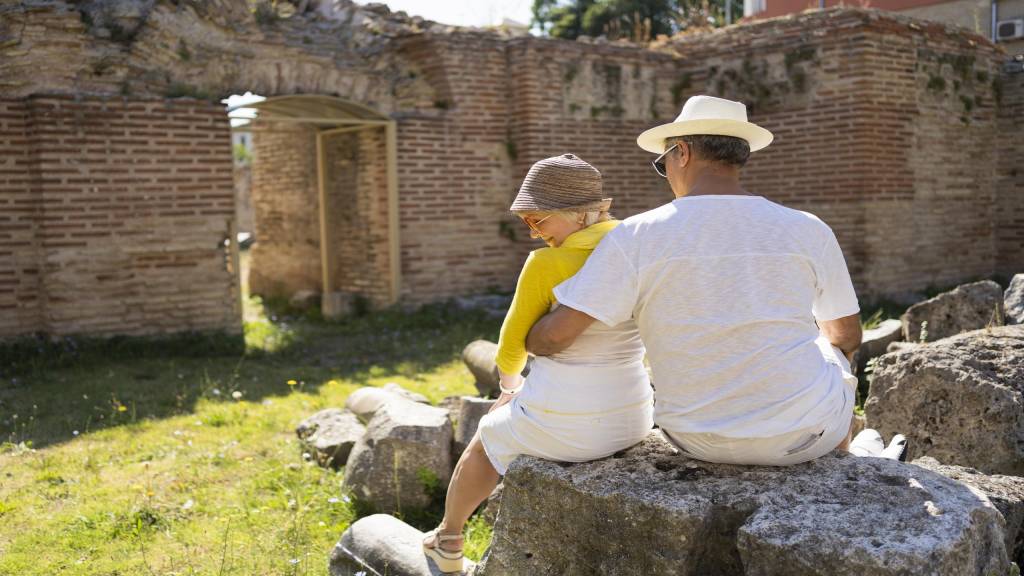
A trip to Rome with grandparents and grandchildren can become one of the family’s most treasured memories. Grandparents bring stories and perspective; younger children turn ancient landmarks into adventures; teenagers reveal a contemporary side of the city that adults might otherwise miss. The challenge is not finding things to see. It is designing days that work for different energy levels, interests and routines. A successful multi-generational holiday is not a race between monuments. It combines a few carefully selected highlights with genuine breaks, sensible journeys and accommodation that gives everyone enough space. This guide covers itineraries, age-appropriate activities, mobility, rooms, meals, costs and the questions to ask before booking a family stay in Rome.
Pools and Playgrounds in Rome: Where Kids Can Burn Off Energy after Museums

Rome with children cannot be all churches, queues and museum galleries. After hours of walking slowly and listening carefully, young visitors need the opposite: room to run, climb, play and, in summer, splash around. Ignoring that need is one of the fastest ways to turn a rewarding cultural day into an exhausting afternoon. The answer is not to skip Rome’s monuments. It is to design a better rhythm. The city offers public parks, playgrounds, creative play spaces, interactive museums, swimming facilities and seasonal water parks. Some work as a 45-minute reset; others deserve half a day or more.
Roman Appetizers: 21 Irresistible Bites You Need to Try at Least Once

Crisp on the outside, melting at the center, bold in flavor and designed for sharing: Roman appetizers are far more than something to nibble on while you wait for your pasta. They are one of the quickest — and most enjoyable — ways to understand the Eternal City. Roman cuisine grew at the crossroads of humble home cooking, the farmland surrounding the capital, old-school trattorias and the city’s Jewish culinary heritage. Its appetizers celebrate honest ingredients and decisive flavors: bread, olive oil, tomatoes, Pecorino Romano, anchovies, salt cod, seasonal vegetables, cured meats and the Roman talent for frying food until beautifully crisp.
What to Eat in Rome: 25 Traditional Dishes You Need to Try at Least Once

Wondering what to eat in Rome means getting ready for a journey within your journey. The Italian capital is not only revealed through the Colosseum, fountains and magnificent squares. You also discover it in a freshly fried supplì, the silky sauce coating a plate of cacio e pepe, the scent of wild mint rising from an artichoke and the whipped cream tucked inside a breakfast maritozzo. Roman cooking is direct, generous and instantly recognizable. It turns a compact pantry into extraordinary food: guanciale, Pecorino Romano, eggs, black pepper, tomatoes, vegetables from the Lazio countryside, humble cuts of meat and good bread. Alongside its pastoral and working-class roots, Rome’s historic Jewish community has shaped some of the city’s most important dishes.
Roman Fried Food: Supplì, Zucchini Flowers and the Story Behind Rome's Crispiest Tradition

A sharp crunch at the first bite, the aroma of food fried to order and then the surprise inside: seasoned rice, melting mozzarella, a delicate blossom or a tender fillet of salt cod. Roman fried food tells the story of the capital through humble ingredients and unforgettable contrasts. Supplì al telefono has become an emblem of the city’s street food. Zucchini flowers filled with cheese and anchovy, alongside battered salt cod, reflect the important exchange between mainstream Roman and Jewish-Roman cooking. Crisp Jewish-style artichokes, seasonal vegetables, croquettes and changing house specialties complete the picture. But where did this tradition begin? Why is a supplì called al telefono? How is it different from a Sicilian arancino? Are Roman zucchini flowers vegetarian? And what makes fried food genuinely excellent? This guide answers the most common questions and explores Rome at its crunchiest.
The Perfect Roman Dinner: How to Build a Traditional Menu from Antipasto to Dessert

The perfect Roman dinner begins with a sound: the crunch of a freshly fried supplì. It moves on to silky pasta, makes room for slow-cooked meat or lamb chops served almost too hot to touch, finds balance in bitter greens and ends with ricotta, sour cherries or a crisp biscuit dipped in wine. Ordering everything that catches your eye, however, does not guarantee a great meal. Roman cuisine is generous, salty and often substantial. The key is to build a coherent progression, alternating textures and intensities, respecting the season and choosing sensible quantities. This guide explains how a traditional Roman menu is structured, what Italians mean by antipasto, primo, secondo and contorno, which dishes work well together and how to adapt dinner for couples, families, vegetarians and international visitors. There is no single compulsory menu, but some combinations tell the story of Rome better than others.
Ariccia's Fraschette: What They Are, How They Work and How to Plan the Perfect Evening

Long communal tables, simple place settings, country bread, cured meats, coppiette, cheese, Castelli Romani wine and, above all, Porchetta di Ariccia PGI, with crisp crackling and the fragrance of rosemary, garlic and black pepper. An evening in the fraschette of Ariccia is more than dinner. It is a convivial ritual rooted in the popular culture of the Roman hills. First-time visitors naturally have questions. Is a fraschetta a restaurant? Can guests still bring their own food? Do you order à la carte or choose a set menu? How much does it cost? Should you book? How do you get there from Rome — and return safely after drinking wine? This guide explains what fraschette are, how they work today and how to plan an evening in Ariccia without leaving the important details to chance. From choosing a venue and controlling portions to identifying certified porchetta and arranging transportation, it provides a complete plan for couples, families and groups.
Perfect Carbonara: The Real History, Authentic Roman Recipe and 15 Mistakes to Avoid

Perfect Cacio e Pepe: The Technique, Secrets and Why It Is Much Harder Than It Looks

Pasta, Pecorino Romano and black pepper. Three ingredients, at least on paper. Yet cacio e pepe is one of the easiest pasta dishes to ruin: the cheese gathers into a rubbery ball, water pools underneath, the sauce turns gluey or everything tightens before reaching the table. Its minimalism creates the difficulty. There is no cream, butter or egg to conceal a weak emulsion. Everything depends on the balance among cheese proteins and fat, starch released by the pasta, water, temperature and movement. A small error changes the result within seconds. This guide explains how to make creamy, lump-free cacio e pepe, why Pecorino Romano clumps, which temperatures matter, how much water to add and how to rescue a sauce beginning to split. It also covers history, ratios, alternative methods, common mistakes and the most frequently asked questions.
Roman-Style vs Jewish-Style Artichokes: When to Eat Them and Where to Find Them in Rome

One reaches the table soft and fragrant, infused with garlic and Roman mint. The other looks like a golden flower, with crisp leaves surrounding a tender heart. Carciofi alla romana and carciofi alla giudia are not minor variations on the same recipe: they use different techniques and embody distinct strands of Rome’s culinary history. The quickest explanation is that Roman-style artichokes are seasoned with herbs and gently braised, while Jewish-style artichokes belong to Rome’s Jewish culinary tradition and are deep-fried until they open like a blossom. To experience them at their best, however, travellers should also understand the local variety, its short season and the areas of the city most closely associated with each dish.
Roman Scrocchiarella Pizza: Its History and the Real Differences from Neapolitan Pizza

Thin, dry and crisp right to the edge, Roman scrocchiarella pizza often announces itself with the first bite. It lacks the tall, soft rim associated with classic Neapolitan pizza and does not demand to be folded. It can be cut cleanly, snapped and shared, punctuating the evening with a distinctive crunch. Yet “Roman pizza” may also refer to tray-baked pizza, pizza sold by weight and the city’s famous white bakery pizza. That creates confusion. The crisp round pizza is treated as Rome’s only style, while pizza in teglia follows different rules. Comparisons with Naples are similarly reduced to a slogan: crisp versus soft. The truth is richer.
East Rome: Where to Eat and What to Do Near Hotel Domidea

Where can you eat well near Hotel Domidea? What is there to do in East Rome without crossing the city centre every time? And how should you plan an evening when arriving late, travelling with children or fitting a few free hours between business appointments? Rome’s eastern district offers far more than first impressions suggest. Tor Cervara, Tor Sapienza, La Rustica, Centocelle and the Tiburtina corridor provide Roman restaurants, informal pizzerias, seafood dining, extensive parks, archaeology, street art, sports facilities and shopping areas. Better still, these experiences belong to everyday Rome and are often removed from the historic centre’s crowds.
Accommodation for Relatives of Hospital Patients in Rome

Rome has major public hospitals, university medical centres, specialist institutes and private clinics spread across a very large area. Before choosing a room, confirm: the exact hospital site, not merely the name of the healthcare group; the entrance and building you will need to use; visiting hours and times for speaking with the medical team; how you will travel each day; how long you may need to remain in Rome. A property that looks close on a map may involve awkward connections or a long walk. A hotel slightly farther away but close to a main road, with parking and dependable services, may make everyday travel considerably easier.
Long-Stay Hotels in Rome: Rooms, Dining, Parking and Rates
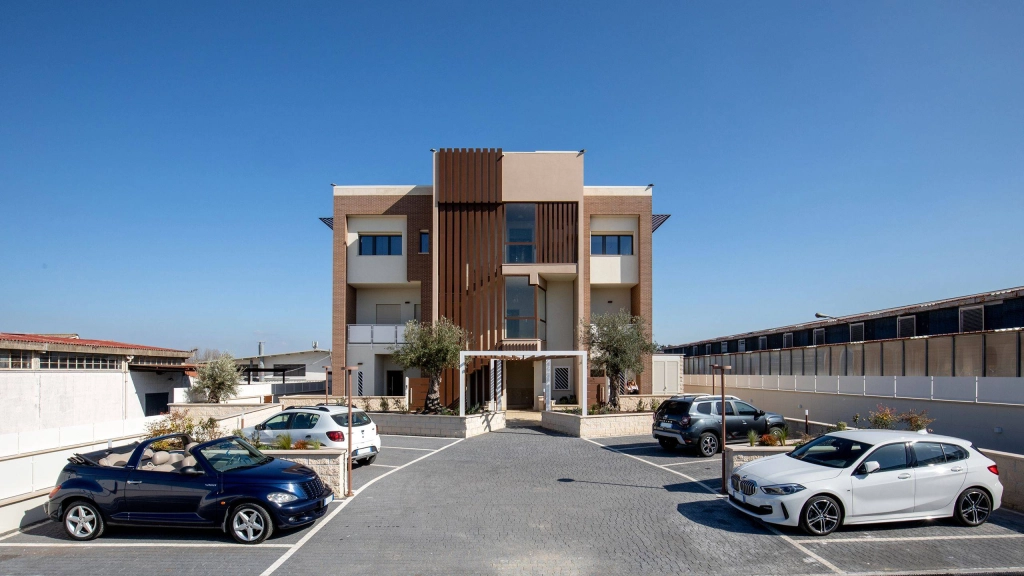
Are you staying in Rome for a week, a fortnight, a month or an as-yet uncertain period? Choosing a hotel becomes a very different decision when your visit extends beyond one or two nights. A room that feels perfectly adequate for a weekend may become impractical over several weeks. Distant parking, unreliable Wi-Fi or limited food options can turn into daily costs and frustrations. To choose a long-stay hotel in Rome, look beyond the nightly rate. Room layout, sleep quality, Wi-Fi, meals, housekeeping, parking, accessibility, booking flexibility and the journey to the place you will visit each day all matter.
Policlinico Casilino: Nearby Accommodation for Patients and Families

Are you travelling to Policlinico Casilino for admission, surgery, a specialist appointment, a test or ongoing treatment? Perhaps you are accompanying someone and need a room for one or more nights. In either case, suitable accommodation can reduce daily travel, provide genuine rest and make unpredictable hospital schedules easier to manage. Policlinico Casilino is in Torre Spaccata, in south-east Rome. It is served by Metro Line C, buses and road connections. The closest room on a map is not necessarily the most convenient, however. Consider the route to the correct entrance, how you will travel, parking, reception hours, late arrival and whether you may need to extend your stay.
Vannini Hospital: Where to Stay During an Admission

An admission to Vannini Hospital may require patients, companions and relatives to remain in Rome for one night, several days or an uncertain period. In these circumstances, a room is more than tourist accommodation. It becomes a place to rest, work, arrange journeys and recover between hospital visits. Madre Giuseppina Vannini Hospital is in East Rome, between Torpignattara, Malatesta, Via Casilina and Via Prenestina. It can be reached using Metro Line C, Metro Line A followed by a bus, or Rome’s road network. The closest property on a map is not automatically the best choice. Actual travel, parking, reception hours, meals, comfort and booking flexibility all matter.