
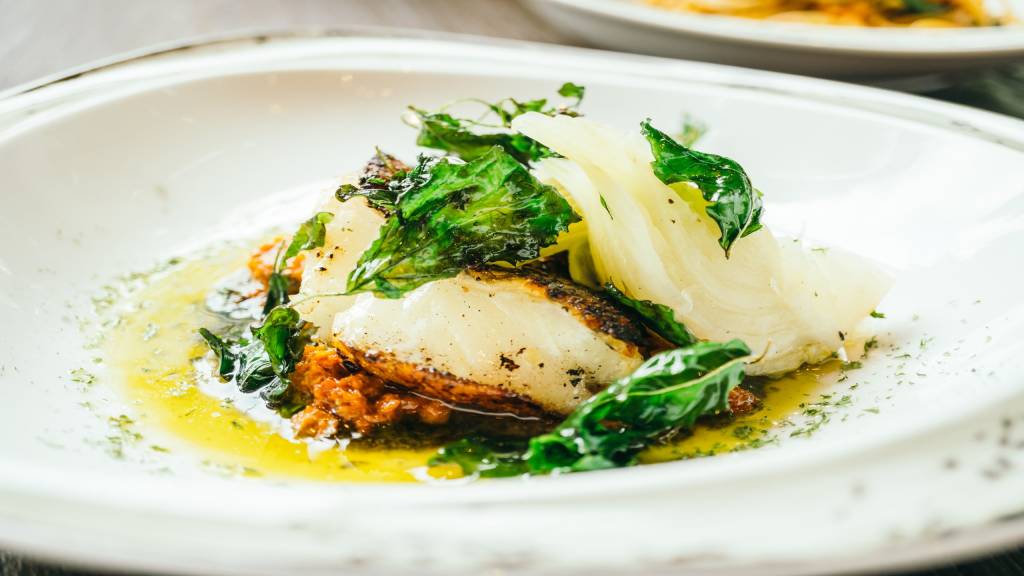
Roman Meatless Traditions: Salt Cod, Broccoli and Friday Food Culture
Rome’s traditional “cucina di magro” is anything but short on flavour. Shaped by the religious calendar, the seasons, local markets and the kitchen gardens surrounding the city, it transformed modest ingredients into salt-cod fritters, pasta with Romanesco broccoli in skate broth, vegetable fritters, pulses and sautéed greens.
But what does “di magro” actually mean? Is baccalà fresh fish? Why are broccoli and skate associated with Roman Fridays? And is a meat-free dish automatically vegetarian? This guide separates religious observance, culinary history and modern dining.
Would you like to taste the Rome that exists beyond carbonara and amatriciana? The best room options can change quickly: check Hotel Domidea’s live rates and book directly now. For accommodation, affiliated dining or dietary questions, email info@hoteldomidea.com.
What does “cucina di magro” mean?
In Italian Catholic tradition, “di magro” describes food eaten without meat on days of abstinence. It does not necessarily mean light, low-calorie, vegetarian or vegan: fish, shellfish, eggs, cheese, fried food and desserts may all appear in historical meatless menus.
The Code of Canon Law identifies Fridays and Lent as penitential times; Canon 1251 addresses abstinence from meat and allows Bishops’ Conferences to define further provisions. Fasting and abstinence are not synonyms: one also concerns the amount or timing of food, while the other concerns a food category.
This article explains food culture rather than personal religious obligations. Readers seeking guidance on current observance should consult the applicable Church provisions or their own community.
Why did Romans eat fish on Friday?
As the centre of the Papal States, Rome lived for centuries according to a religious calendar that influenced markets and household kitchens. Preserved fish offered a transportable, relatively stable alternative to meat, while pasta, vegetables and pulses completed the meal.
There was no single Friday menu. Family means, season and availability mattered. Wealthier tables might serve fresh fish; others relied on salt cod, anchovies and vegetable soups. Fried and elaborate dishes also show that penitential rules did not prevent cooks from pursuing flavour.
Baccalà and stockfish: what is the difference?
Both traditionally come from cod, but preservation distinguishes them:
| Product | Preservation | Before cooking |
|---|---|---|
| Baccalà | Salt-cured | Desalted and rehydrated in water |
| Stockfish | Air-dried | Soaked for an extended period |
| Fresh cod | Chilled or frozen without traditional curing | Cleaned and cooked according to the recipe |
Regional Italian usage and commercial labelling can vary. Check the sales name, species, preservation method, origin and producer’s instructions.
How to desalt baccalà
Salt cod normally needs prolonged soaking in cold water with regular changes, but thickness and processing alter the timing. Follow the retailer’s or packer’s instructions.
Soak it in the refrigerator, never at room temperature. Once desalted, it is perishable and must be handled accordingly.
Roman salt-cod fritters
The filetto di baccalà is a Roman frying-shop classic. Desalted cod is portioned, coated in batter and fried until golden and crisp outside while remaining soft and savoury within.
Success depends on four balances:
- proper desalting;
- careful drying;
- balanced batter;
- correct oil temperature.
Recipes may use flour, water, yeast or additional ingredients. The standard version contains fish and gluten; shared fryers may expose it to shellfish, milk and other allergens.
What to serve it with
Serve it as an appetiser, snack or part of a Christmas Eve mixed fry. Lemon is optional. A crisp, dry Lazio white or sparkling wine refreshes the palate; sparkling water and bitter citrus-based soft drinks also work well.
Pasta with Romanesco broccoli in skate broth
Pasta e broccoli in brodo d’arzilla is one of the dishes most closely associated with Roman meatless days and Lent. “Arzilla” is the Roman name for skate, used to make a deeply flavoured broth. Rome’s official tourism website describes a popular recipe combining Romanesco broccoli, broken pasta, tomato, anchovies and fish broth.
The dish brings land and sea together:
- Romanesco adds vegetal sweetness;
- skate provides the stock;
- anchovy, garlic and chilli add savoury depth;
- broken pasta gives substance;
- a little tomato may colour the broth.
Family recipes differ. Some are soupy, others almost dry; some add Pecorino, while others avoid cheese with fish. Insisting on one “original” formula ignores the household transmission that kept the dish alive.
Romanesco broccoli and the cold season
Romanesco is recognised by its pale-green geometric florets and close association with the Roman countryside. Its natural context is the cooler season. It can be steamed, boiled, stewed, sautéed or battered and fried.
Rome’s tourism authority links broccoli-and-skate soup with Lenten meatless days and broccoli fritters with Christmas Eve. Outside the appropriate season, an honest adaptation can be more respectful than a claim of authenticity made with unsuitable produce.
Meatless broccoli may still contain anchovies
Roman broccoli is often sautéed with garlic, olive oil and chilli, but other versions add guanciale, Pecorino or anchovies. The word “broccoli” on a menu therefore does not guarantee a vegetarian dish. Anchovies are particularly easy to miss because they dissolve into the cooking base.
The same warning applies to pasta e ceci, which often uses anchovy for savoury depth, and to puntarelle, traditionally dressed with garlic, vinegar and anchovy. Pasta with lentils or beans may contain pork fat, cured pork or meat stock.
Other Roman dishes associated with meatless eating
Pasta e ceci
Potentially plant-based, but frequently flavoured with anchovy.
Pasta with lentils or beans
Suitable only when pork fat, guanciale and meat stock are absent.
Gnocchi alla romana
Meat-free but normally rich in milk, butter and cheese.
Carciofi alla romana and alla giudia
Potentially meat-free; confirm ingredients and shared oil.
Puntarelle, chicory and sautéed greens
Sautéed chicory is often plant-based, though the actual recipe should be checked.
Christmas Eve mixed fry
It may include salt cod, battered broccoli, apple and other vegetables, with substantial allergen cross-contact.
Meatless is not the same as vegetarian or vegan
| Term | May include | Generally excludes |
|---|---|---|
| Traditional “di magro” | Fish, eggs, milk, cheese and plants | Meat, according to observance and custom |
| Pescatarian | Fish, shellfish, eggs and dairy | Land-animal meat |
| Vegetarian | Eggs and dairy, depending on personal practice | Meat and fish |
| Vegan | Plant-derived ingredients | All animal-derived ingredients |
Labels are useful but do not replace an ingredient check. Stock, gelatine, lard, anchovy and grated cheese may be invisible in the finished dish.
A complete Roman “di magro” menu
A seasonal menu might follow this route:
1. Starter: a salt-cod fillet or broccoli fritters.
2. First course: pasta and broccoli in skate broth.
3. Main course: salt cod stewed with tomato and potatoes.
4. Side dish: sautéed chicory or a Roman-style artichoke.
5. Dessert: wine biscuits, fruit or tart.
For a vegetarian menu, remove cod, skate and anchovies. For a vegan menu, also remove eggs, milk, butter, cheese and honey. Taking a visible piece of fish off the plate does not remove fish stock or dissolved anchovy.
Fried or stewed baccalà?
Fried salt cod is crisp, immediate and easy to share. Stewed salt cod with tomato, onion, potato, olives or pine nuts—depending on the family recipe—is better suited to a seated meal and absorbs the sauce.
Neither should automatically be described as “healthier”. Portion size, residual salt, oil, accompaniments and individual needs matter more than the recipe name.
How to order meatless Roman food
Say: “Vorrei mangiare senza carne: quali piatti non contengono guanciale, strutto o brodo di carne?” If you are vegetarian, add: “Non mangio neppure pesce o alici.” Vegan diners should also ask about eggs, dairy, butter, cheese and honey.
For salt cod, it helps to ask:
- whether it is fried, baked or stewed;
- whether the batter contains gluten, egg or milk;
- whether the fryer is shared;
- which sauces accompany it.
Traditional dishes are not guaranteed to appear every Friday or throughout the year.
Lazio wine pairings and alcohol-free choices
A dry, refreshing Frascati or Lazio sparkling wine works well with fried salt cod. Pasta with broccoli and skate needs a savoury white with enough body; Bellone, Malvasia del Lazio or Frascati Superiore may provide suitable styles, depending on the individual bottle.
Tomato-stewed baccalà can pair with rosé or a very light, low-tannin Lazio red served cool. Strong tannins and obvious oak can clash with broccoli’s vegetal bitterness.
Alcohol-free options include sparkling water, lightly sweetened iced tea and bitter citrus or herbal drinks. Drink responsibly and never drink and drive.
Seasonality, sustainability and food safety
“Traditional” does not automatically mean sustainable. Species, fishing area, method, size, certification and stock status can matter and change over time. Read the label, ask for the exact species and consult current guidance from the relevant authorities.
Romanesco belongs naturally to the cooler season, but season alone does not guarantee local origin. Check the displayed provenance.
Salt, frying and portions
Salt cod begins as a highly salted product, and desalting greatly affects the final result. Anyone following a medically prescribed sodium restriction should seek professional advice rather than relying on taste or the word “desalted”.
Allergens and cross-contact
These dishes may contain:
- fish: salt cod, skate and anchovy;
- gluten: pasta, bread and batter;
- milk: Pecorino, butter or batter ingredients;
- eggs: some batters, fresh pasta or desserts;
- celery: broths and cooking bases;
- nuts and pine nuts: sauces, desserts or stewed versions;
- sulphites: wine, vinegar and some preserved ingredients;
- shellfish and other allergens, through shared kitchens and fryers.
Tell staff about allergies before ordering and ask about preparation. Removing an ingredient after cooking does not remove prior contact.
Discovering meatless Roman cooking from Hotel Domidea
Hotel Domidea’s official website lists affiliated restaurants nearby and describes a collaboration with a neighbouring restaurant focused on Roman and Italian cooking, seasonal ingredients and seafood dishes.
This does not mean that salt cod, Romanesco or a fixed Friday menu is always available. Menus and daily specials change. For up-to-date information or dietary needs, email info@hoteldomidea.com, clearly distinguishing a personal preference from an allergy.
Rome always has another flavour to reveal, but the right room may not wait: check the price for your dates and book Hotel Domidea now. Questions before confirming? Contact info@hoteldomidea.com.
Frequently asked questions
What does “cucina di magro” mean?
In Catholic food tradition it means cooking without meat on days of abstinence. It can still contain fish, eggs and dairy, so it is not synonymous with vegetarian or vegan.
Why is fish eaten on Friday?
The custom developed around Christian abstinence from meat on penitential days. Fish became an alternative, alongside vegetables, pulses and grains.
Are baccalà and stockfish the same?
They traditionally come from cod but use different preservation: baccalà is salt-cured, while stockfish is air-dried.
Do Roman salt-cod fritters contain gluten?
The standard batter normally uses wheat flour. Alternative recipes may exist, but ingredients and shared-fryer risks must be verified.
What is arzilla?
It is the Roman word for skate, used to prepare the broth for pasta with Romanesco broccoli.
Is pasta with broccoli and skate vegetarian?
No. It contains fish broth and often anchovies; some versions also include Pecorino.
Are puntarelle vegetarian?
Traditional Roman dressing contains anchovies. Ask for a version without fish and check preparation methods.
Does Hotel Domidea offer a fixed meatless menu?
The official site mentions affiliated restaurants and seafood cooking, but not a permanent “di magro” menu. Contact the hotel for current information.